


Blooming People: Tobias Witteveen
With a solid background in Environmental Science and Future Planet Studies, plus years of experience at a leading consultancy, Tobias Witteveen is perfectly placed to translate Blooming Buildings’ greening ideals into the business world. Time to introduce our project manager.
“I ended up in consultancy through a bit of a detour. I joined a kickstart program that gave me lots of freedom to carve out my own path. Great, I thought—this could be my chance to focus on sustainability. My studies in Future Planet Studies and Environmental Science were all about combining sustainability challenges with business management.
But in practice, as a consultant I was working on a wide variety of themes, though rarely on the topics that truly drive me. Not long ago, I attended a climate conference, and it felt like being back in the lecture hall. I thought: this is what I recognize, this is where I can really add value. At the consultancy firm, I always felt a bit like a fish out of water.
Then a colleague pointed me toward Blooming Buildings—and suddenly all the puzzle pieces fit. I immediately connected with the vision: to be a catalyst for urban greening, and to make every street in every city greener by 2035. And besides, I once dreamed of becoming an architect. That never happened, but now I get to engage with architecture from a different angle.”
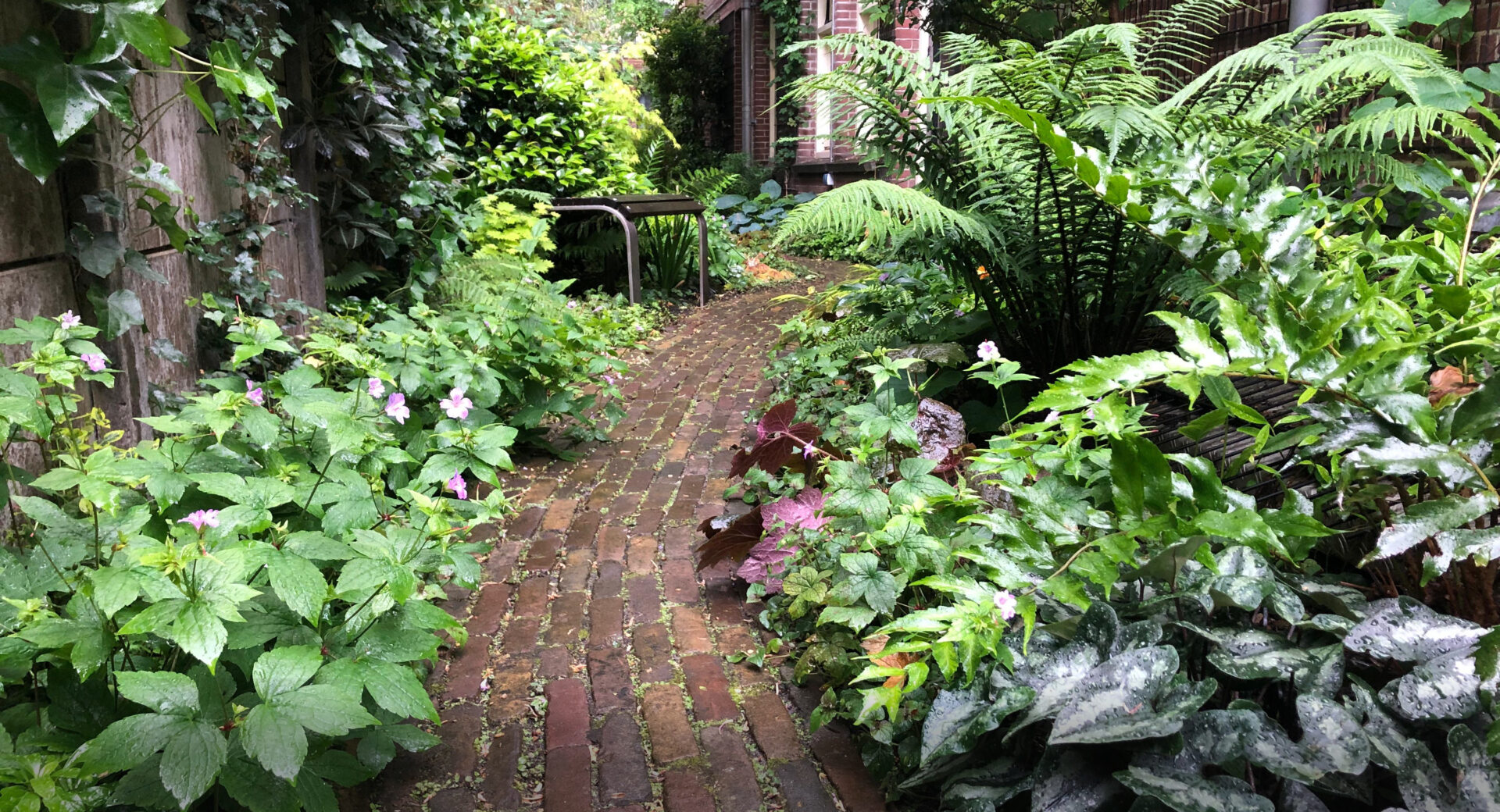
“During COVID, I discovered gardening. I live in Amsterdam, on one of the busiest streets in the city. And that’s really great, but you also need nature. In Amersfoort, where I grew up, you’re in the forest within five minutes. When I visit my parents, a sense of calm descends upon me. Then I can ground myself again. Literally earth myself. Subconsciously, I think I wanted that in my daily life too.
Through my studies, I learned to approach sustainability in an integral and interdisciplinary way. At Blooming Buildings, we use vegetation to combat heat stress and capture and retain water. At the same time, we harness the power of nature to promote public health and biodiversity. We create green hubs between gardens, parks, and forests. In other words: we don’t just think about that one piece of greenery, we think in ecosystems.
As a consultant, I learned to recognize where organizations want to go and how to translate that into a compelling storyline. That you create economic value with urban nature is personally less important to me, but it is a very good story. Because that’s the beauty of Blooming Buildings’ message: everything will flourish when you give urban nature space. Health, biodiversity, and climate adaptive capacity, but also the financial value of the urban environment.”
“In my view, we need to look at growth differently. More agnostically. That means economic growth isn’t the goal, our own health and the health of the planet are. You can see in everything that the system is becoming exhausted: we’re running up against the planetary boundaries. Raw materials are running out, there’s too little water, we can’t handle the climate disasters. For me, that’s the main issue: how can we combat climate change and organize society in a future-proof way? With Blooming Buildings, I can make a substantial contribution to that.”
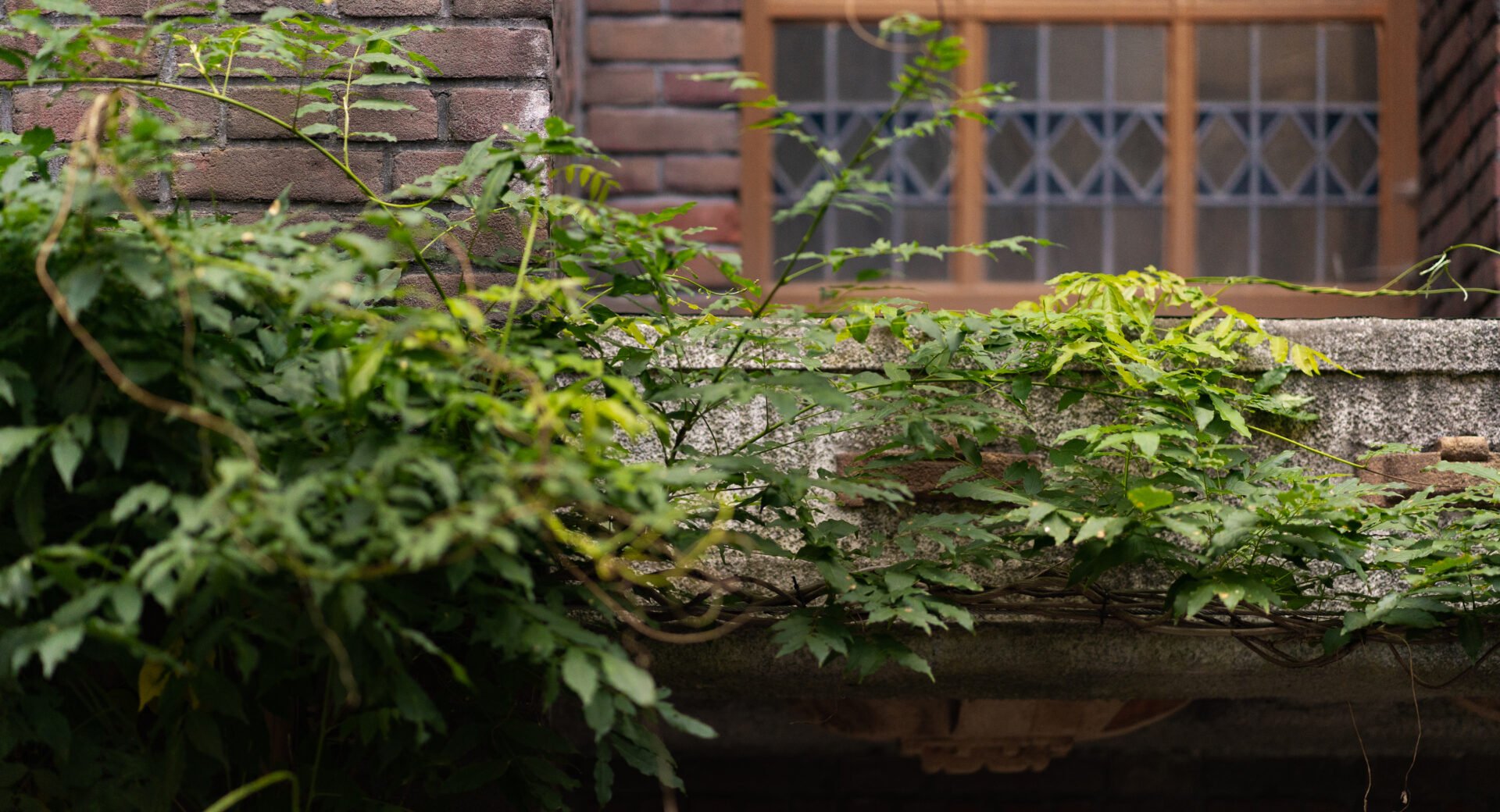
“Look, about half of the world’s population lives in cities. Over the next thirty years, that will rise to 70%. So there’s only going to be more pressure on the system. We need to change our behavior. But for that to happen, three things need to occur. One: we need to realize that prevention is better than cure. You want to stay ahead of the pain. Look at Valencia. After the severe flooding, everyone understands that something needs to change. How do you ensure that people here also feel that urgency? Two: we need to come to the insight that it’s not that difficult to pry up that paving stone and plant those climbing plants. And three: we need to have the idea that we’re working toward something. That there are successes. Look at Paris: it was one of the most polluted cities in the world. And now it’s a frontrunner in greening. Cars out, plants in.
We’re in the middle of a transition. And yes, there’s backlash now—the political winds have shifted right globally and climate has somewhat fallen off the agenda. But if you zoom out and look at ten years ago: when I started studying, climate was still very much a fringe topic. But now everyone is trying to do their part. Perhaps in five years you’ll look back and think: look where we are now! We’ve made beautiful progress in our awareness after all.”