

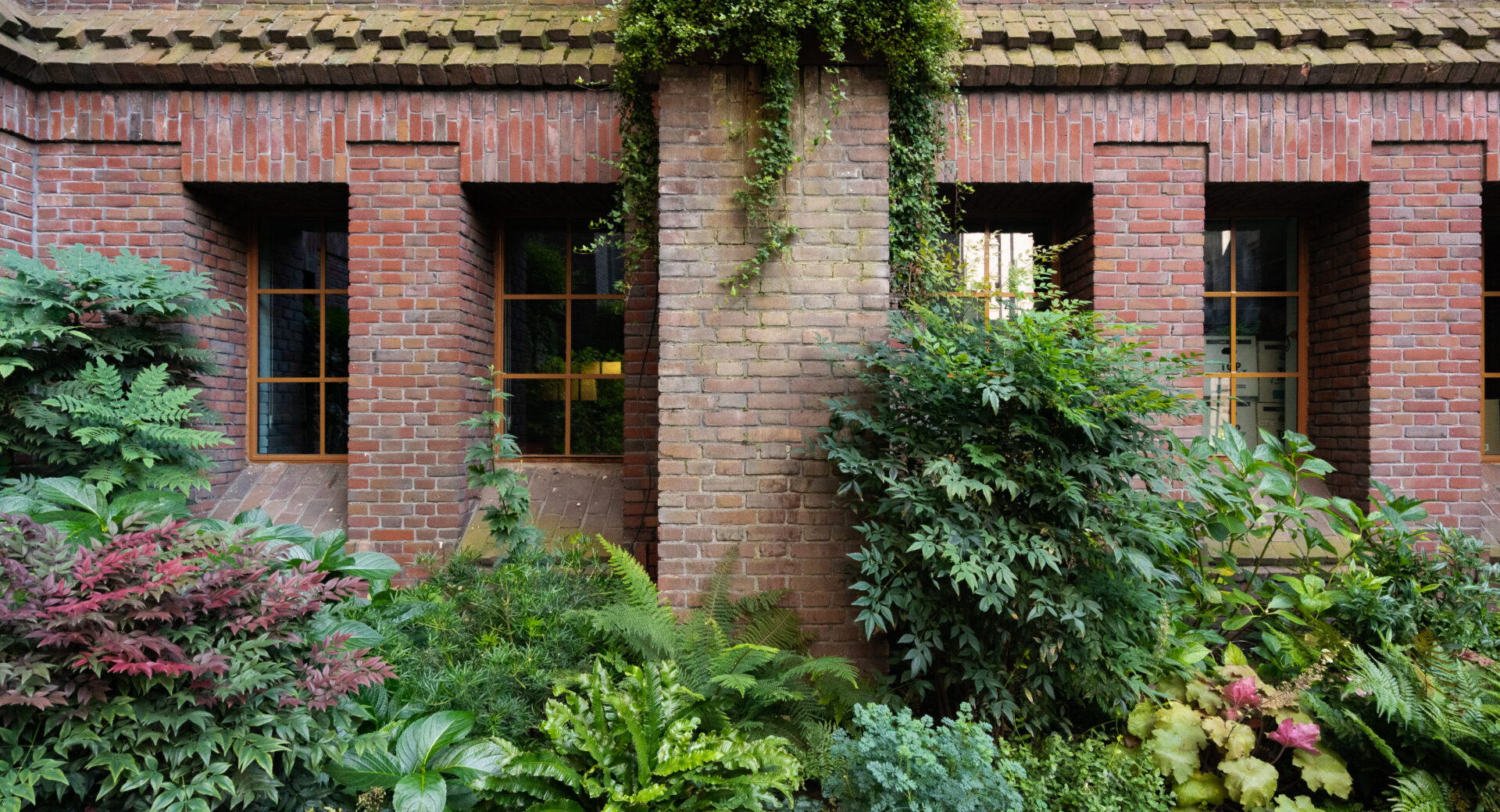
“Native” is the magic word for anyone looking to promote biodiversity. But the Netherlands has changed rapidly. Urbanisation, intensive agriculture and climate change have made life difficult for many native species. Creating climate-resilient environments requires more than native planting alone.
The reasoning goes like this: by using native plants, you ensure that native insects and native birds can find enough food. For the most part, that holds true. Some insects will eat almost anything, but there are also picky types among them. What a caterpillar doesn’t recognise, it won’t eat — at least, some caterpillars won’t.
But for a significant part, that reasoning no longer holds. Or rather: not anymore. The great advantage of native plants was always that, through centuries of presence in our landscape, they were optimally adapted to local conditions.
But climate change, intensive agriculture and urbanisation have changed that. Over the past century, our ecosystem has been turned upside down. We are increasingly dealing with long periods of heat and drought, milder winters are becoming more frequent, and many green areas are no longer connected to one another. A number of native species are struggling to adapt.
On top of that, insects are becoming confused as seasonal transitions grow less distinct. Their cycles are falling out of sync with their surroundings, meaning they effectively need to find food throughout the entire year.
Proven ecosystem services from the past offer no guarantee for the future: to make our ecosystem climate-resilient, native planting alone is not enough. That is why we also choose non-native plants and cultivated varieties that are attractive to birds and insects — plants that bloom earlier, stay green year-round, are more drought-resistant, or retain moisture for longer.
Where a plant comes from matters less than you might think. What does matter: does it thrive in the spot where you put it in the ground? And does it contribute to a stronger ecosystem?
To do this well, you need to create the right conditions and know exactly what you are doing. You don’t want to introduce an invasive exotic that ends up taking over. The art lies in composing a carefully considered mix of plants that reinforce and keep each other in check.
That is no easy feat — but when done well, it is absolutely worth it. Because beyond being good for biodiversity, it also looks spectacular: parks and gardens that flourish all year round. Just take a look at De Inktpot in the heart of Utrecht, stroll past Baxter Buildings, or visit Roeterseilandcampus. And discover what becomes possible when you think truly inclusively about planting.